Why Legal Contract Review Delays Keep Getting Worse (And How to Fix It)
Legal contract review delays cost time, risk, and revenue. Your General Counsel forwards a contract to operations at 9 AM. By end of day, it’s still waiting in Finance’s inbox. Two weeks later, the deal is cold. Sound familiar? This isn’t a one-off scenario. It’s the norm for teams running contract approvals on scattered emails and spreadsheets. The problem isn’t complexity. It’s visibility and coordination. When contracts live in email attachments, shared drives, and Slack channels, approval bottlenecks become invisible until deals slip through the cracks.
Key Takeaway
Legal contract review delays stem from visibility and communication gaps, not complexity. Workflow automation and centralized document management eliminate handoff friction so your team can focus on risk analysis instead of email logistics.
In This Article
- Why Legal Contract Review Delays Are Getting Worse
- The Core Challenge: Where Contract Review Bottlenecks Really Happen
- The Solution: Contract Approval Workflow Software and Legal Document Management
- Why Leading In-House Legal Teams Choose Workflow Automation
- How Contract Approval Workflow Software Works Across Industries
- How to Get Started
- Frequently Asked Questions
Why Legal Contract Review Delays Are Getting Worse
In-house legal teams face unprecedented pressure. Deal volume has grown. Remote and distributed workforces complicate handoffs. Regulatory compliance requirements demand audit trails and documented approvals. Yet most legal departments haven’t updated their contract approval infrastructure since email became standard.
According to research from the Association of Corporate Counsel (ACC), in-house legal teams are leaner than ever. One General Counsel told ACC researchers she manages a 12-person team handling 400+ contracts annually. That’s 33 contracts per person per year. Add compliance reviews, redline cycles, and multi-stakeholder approvals, and the bottleneck becomes predictable.
The pandemic accelerated this tension. Remote work eliminated informal hallway conversations. Approvers who once sat in the same building now work in different time zones. Contracts that might have received sign-off in one business day now languish in three inboxes with zero visibility into who has it or why it’s delayed.
“70% of legal operations leaders report that contract approval delays directly impact business outcomes, yet fewer than 30% have implemented centralized approval workflows.”
Gartner Legal Operations Market Guide, 2023
Here’s the thing most teams don’t realize: the invisible problem compounds the real one. Legal teams often don’t know contracts are stuck until a business stakeholder asks, “Where is that vendor agreement?” By then, two days have passed. The deal may have moved to a competitor who processed faster.
The Core Challenge: Where Contract Review Bottlenecks Really Happen
Legal contract review delays don’t happen by accident. They’re the predictable result of invisible handoffs and unclear authority. Here’s where the real problems surface:
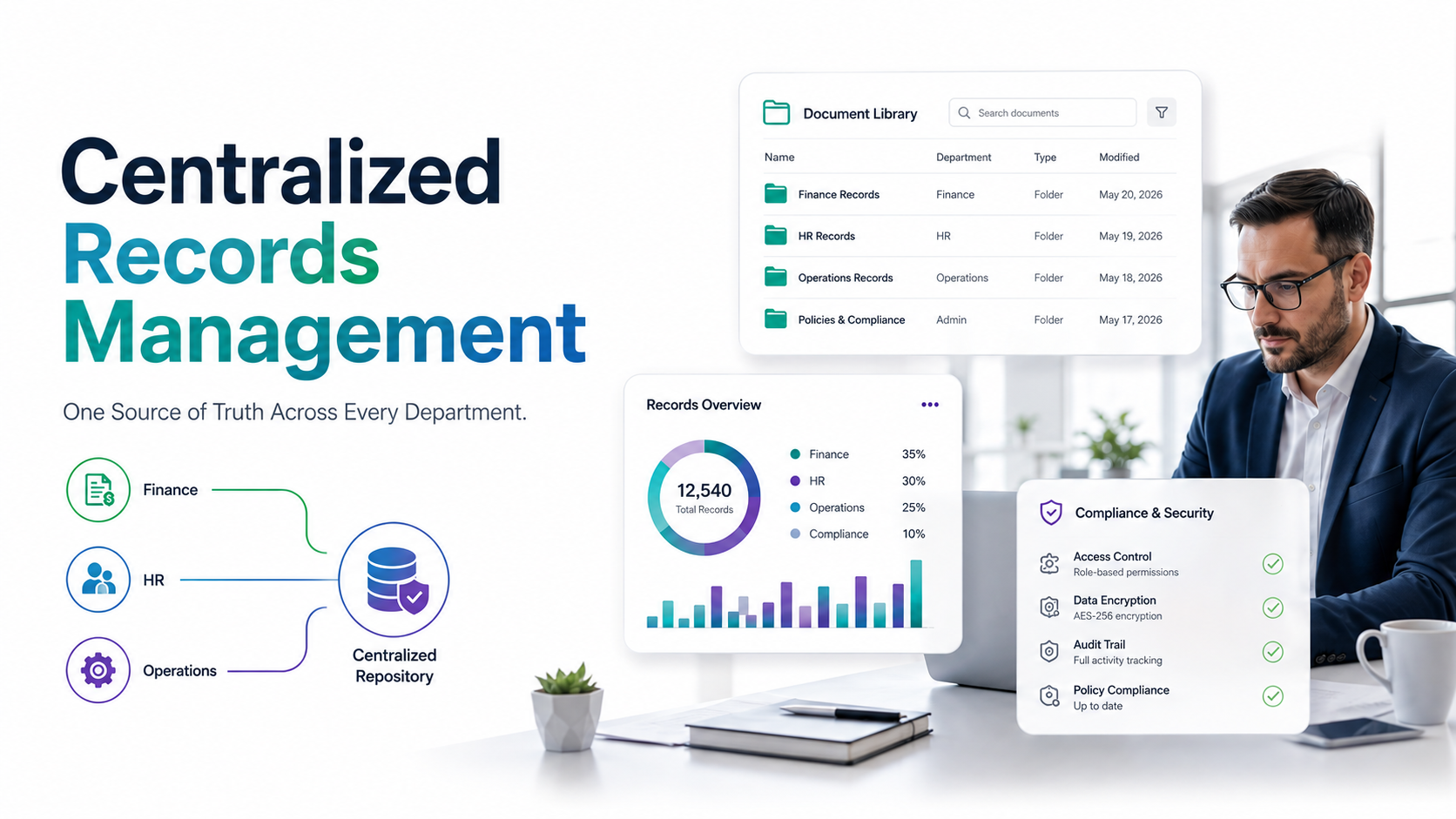
- No centralized repository. Contracts live in email attachments, shared drives, Slack channels, and personal folders. No one knows where the current version actually is.
- Unclear approval authority. Who should review this contract? Should Finance see it before Legal, or after? Does the General Counsel need to sign off, or can the VP of Operations approve? Without a defined sequence, contracts stall.
- Version chaos. Multiple versions float around simultaneously. Reviewers mark up the wrong document. Legal sees version 1.2. Finance sees version 1.4. Procurement is working from version 1.1. Reconciling changes becomes a manual, error-prone process.
- Silent approvals. A stakeholder receives a contract and forgets it’s waiting. No reminder system exists. No escalation trigger fires. The contract sits in an inbox indefinitely.
- Audit trail gaps. When a contract is finally signed, there’s no documented record of who approved it, when, or why. Compliance teams struggle to prove governance. Internal audits flag the risk.
- Manual status tracking. Someone, usually an overworked legal operations person, maintains a spreadsheet of pending contracts. They send weekly check-in emails. This labor-intensive workaround masks the underlying problem: the system itself is broken.
The consequence is tangible. Missed business deadlines cost revenue. Deals move to competitors who close faster. Legal risks compound when approvals are rushed or forgotten. Your in-house team burns time on email logistics instead of risk analysis.
These delays aren’t rare edge cases. They’re the baseline experience for most in-house legal departments still relying on email and shared drives for contract management.
The Solution: Contract Approval Workflow Software and Legal Document Management
Legal contract review delays are solvable when you address the root cause: fragmented visibility and unclear approval sequences. Contract approval workflow software and centralized legal document management systems eliminate these gaps by design.
Here’s how it works in practice. A contract enters the workflow through a centralized repository. The system automatically routes it to the correct reviewer based on contract type, value, or business unit. Legal reviews it first. Then Finance. Then the business owner. Each stakeholder gets an automated notification. They see the contract in one place, not scattered across email threads.
Version control is baked in. Reviewers mark up the document within the system. All changes are tracked. There’s a single source of truth. No confusion about which version is current. No lost edits buried in email chains.
Automated reminders keep stakeholders engaged. If a contract sits unreviewed for two business days, a reminder email fires. If it reaches four days, an escalation alert goes to the department head. Silent approvals disappear. Delays become visible in real time.
An immutable audit trail captures every action: who reviewed, when, what they changed, and what they approved or rejected. Compliance teams access this record instantly. Governance becomes transparent and auditable.
Expert Perspective
The right legal document management system doesn’t replace legal judgment or stakeholder communication. It removes friction so your team can focus on risk analysis instead of email logistics. In our work with clients, we’ve seen legal operations teams cut contract review cycles in half, not because the software is magic, but because reviewers spend less time finding the contract and more time evaluating its terms.
When evaluating a solution, prioritize these capabilities. Integration with your existing tech stack matters: e-signature platforms like DocuSign, CRM systems, and contract lifecycle management tools should connect seamlessly. Configurable workflows are non-negotiable. One-size-fits-all routing doesn’t work when your vendor contracts follow a different approval path than your customer agreements. Role-based access controls ensure confidentiality and compliance. Real-time dashboards and reporting give you visibility into how fast contracts move through your workflow.
Security and compliance certifications matter for trust. Look for SOC 2 Type II, ISO 27001, or equivalent standards. These credentials prove the vendor takes data protection seriously. Finally, evaluate implementation and training support. The best software fails without proper change management. Your legal team needs training, champions to drive adoption, and support refining routing rules based on real workflow data.
Why Leading In-House Legal Teams Choose Workflow Automation
Purpose-built legal workflow software outperforms generic alternatives because it understands the unique constraints of contract approvals. Here’s why in-house teams make the switch:
| Factor | Legal Workflow Automation | Email + Spreadsheets | Generic Cloud Storage |
|---|---|---|---|
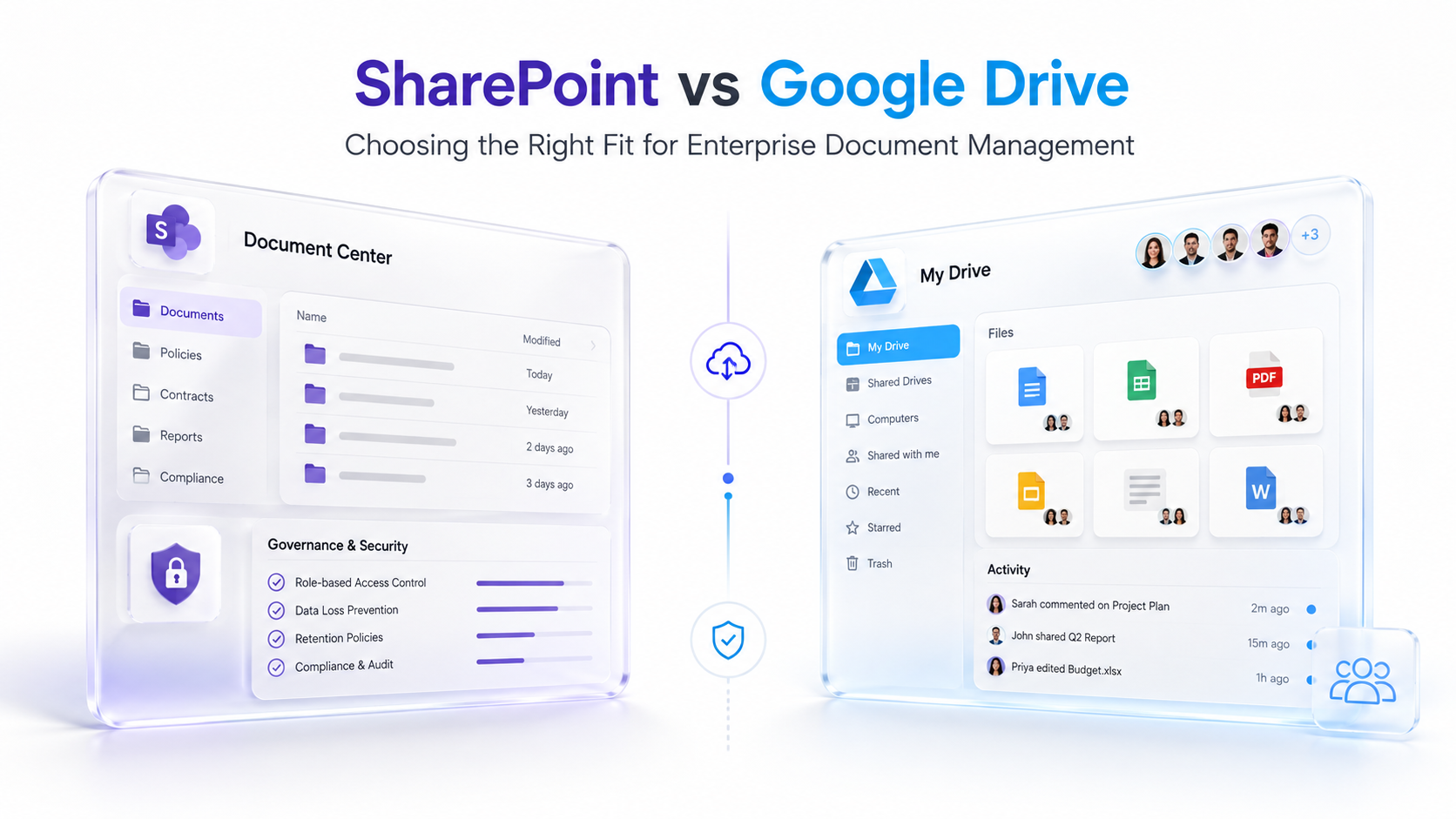
| Centralization | Single system of record for all contracts, versions, and approvals | Contracts scattered across email, drives, and folders | File storage works, but no approval logic or routing |
| Approval Routing | Configurable, role-based sequencing with conditional logic | Manual email forwarding, unclear who should review next | No built-in approval workflow, requires custom workarounds |
| Version Control | Complete audit trail, all edits tracked and attributed | Multiple versions in email, impossible to reconcile changes | Version history exists, but no contract-specific review tracking |
| Visibility & Escalation | Real-time dashboards, automated reminders and escalations | Manual status checks, someone maintains a spreadsheet | File-level activity logs, not workflow insights |
| Compliance & Audit | Immutable audit trail built in, meets governance requirements | No documented record, audit requires email archaeology | Basic file access logs, not sufficient for contract governance |
| Scalability | Works equally well with 5 reviewers or 50, handles 10 contracts or 1,000 per year | Breaks down beyond 50-100 active contracts | Technically scalable, but lacks approval workflow intelligence |
The speed gains don’t come from the software magically processing faster. They come from parallel approvals instead of sequential handoffs. When Legal and Finance review simultaneously instead of sequentially, cycle time drops immediately. They come from automated reminders that keep contracts moving instead of sitting forgotten. They come from version control that eliminates rework caused by conflicting edits.
Moreover, teams scaling from 50 contracts annually to 500 can’t rely on email and spreadsheets. The manual overhead becomes unsustainable. Workflow automation lets you handle 10X volume with the same team size because the system eliminates repetitive labor. Routing rules are configured once and apply to every contract. Reminders fire automatically. Audit trails generate without human effort.
How Contract Approval Workflow Software Works Across Industries
Finance and Banking
M&A contracts, vendor agreements, and partner contracts require fast turnarounds. Deal velocity directly impacts revenue. A bank processing 200+ contracts quarterly can’t afford two-week approval cycles. Legal workflow automation enables parallel reviews so deals close faster. Audit trails satisfy regulatory requirements around approval documentation.
Healthcare and Life Sciences
Healthcare contracts carry regulatory weight. Research partnerships, supplier agreements, and patient data contracts must comply with HIPAA, FDA rules, and institutional review board (IRB) requirements. Workflow systems with role-based access ensure only authorized personnel review sensitive documents. Built-in audit trails prove compliance during audits.
Technology and SaaS
SaaS companies process hundreds of customer agreements monthly. Sales teams need fast turnarounds to close deals. Workflow automation with templated agreements and pre-defined approval paths cuts review time from days to hours. Version control prevents the chaos of multiple sales reps submitting slightly different contract versions.
Professional Services
Consulting firms, law firms, and agencies juggle engagement letters, subcontractor agreements, and client contracts with overlapping stakeholders. Multiple partners may need sign-off. Workflow software ensures no approver is accidentally skipped and all required stakeholders have reviewed before the contract is executed.
How to Get Started
You don’t need to overhaul your entire contract process overnight. Start with an honest assessment of your current state.
- Audit your current process. Map where contracts currently live. Who reviews them? What blocks approvals? This step requires no software decision. Interview your legal team, finance partners, and business stakeholders. You’re building a baseline, not shopping for solutions yet. Expected outcome: a clear picture of where contracts stall and why.
- Define your ideal workflow. Document approval authority and sequence. Does Legal always review first? Does Finance need to see every contract, or only those over a certain value? What compliance checkpoints are non-negotiable? This becomes your workflow specification. It applies regardless of which platform you choose. Expected outcome: a documented approval policy that all stakeholders agree on.
- Evaluate solutions against your workflow. Don’t compare generic feature lists. Can the system route contracts based on your specific criteria? Can it integrate with your e-signature platform and CRM? Request a demo focused on your actual use cases, not vendor feature highlights. Expected outcome: a shortlist of platforms that fit your workflow, not the other way around.
- Pilot with a subset of contracts. Run 10-20 contracts through the new workflow before full rollout. Choose a mix of contract types. Involve your legal team, finance partner, and one business stakeholder. Gather feedback. Refine routing rules. Identify training gaps. Expected outcome: confidence that the system works for your team before you commit full volume.
- Train your team and iterate. Adoption depends on training, not features. Ensure legal operations staff know how to set up new contract types. Ensure reviewers understand how to access and approve contracts. Ensure business stakeholders know when to expect turnaround times. Refine workflows based on real data after the first 50 contracts. Expected outcome: a stable, repeatable process that your team trusts and uses consistently.
Frequently Asked Questions
How long does it typically take to implement a legal document management system?
Implementation timelines depend on workflow complexity, team readiness, and organizational size. Rather than a fixed timeline, focus on phased rollout: start with a pilot of 20-30 contracts, then expand once your team is comfortable. Most organizations see stable adoption after 6-8 weeks of consistent use, but your specific timeline depends on training quality and leadership commitment.
Can contract approval workflow software integrate with our existing e-signature platform?
Most modern solutions integrate with DocuSign, Adobe Sign, Signable, and similar platforms. Integration typically works in two directions: contracts approved in your workflow system can be routed to e-signature automatically, and signature status updates flow back into your approval tracker. Verify API availability and integration depth (read-only vs. two-way sync) during your evaluation.
What’s the difference between a legal document management system and a contract lifecycle management (CLM) platform?
Legal document management focuses on centralized storage, version control, collaboration, and approval workflows. CLM platforms add contract analytics, obligation tracking, renewal reminders, and spend analysis. Start with document management if you’re solving approval delays. Upgrade to CLM later if you need deeper contract intelligence. Both solve different problems at different maturity levels.
How do we ensure compliance when using workflow automation for legal contracts?
Look for systems with built-in audit trails, role-based access controls, and compliance certifications like SOC 2 or ISO 27001. Document your approval policy within the system so there’s a clear record of who must review and in what sequence. Regular audits of your contract repository, pulling sample contracts and verifying all required approvals occurred, keep your governance honest.
What if stakeholders don’t adopt the new workflow after launch?
Adoption challenges are change-management issues, not software failures. Build adoption by demonstrating early wins: show that contracts move faster, reviewers spend less time searching for documents, and the audit trail eliminates compliance stress. Make sure legal operations provides active support during the first month. Address barriers quickly. Poor adoption usually means the workflow doesn’t match how your team actually works, so refine it.
Ready to Eliminate Contract Review Bottlenecks?
Discover how workflow automation removes approval friction and keeps your legal team focused on risk, not email. Talk to our legal tech experts about mapping your process and finding the right solution for your team.