How to Streamline Procurement Management with SharePoint: A Complete Guide
Procurement management with SharePoint transforms how organizations handle vendor relationships, purchase orders, and compliance tracking. Manual procurement workflows consume 12-15 hours weekly across teams, creating bottlenecks that delay critical purchases and obscure spending patterns. SharePoint eliminates these inefficiencies by centralizing vendor data, automating approvals, and providing real-time visibility into procurement activities across your entire organization.
Key Takeaway
SharePoint procurement management converts fragmented, email-driven processes into unified, automated workflows that reduce administrative overhead, enforce compliance, and enable data-driven vendor decisions.
In This Article
- Why Procurement Management Matters Now
- Core Procurement Challenges Without Proper Management
- The Solution: Procurement Workflow Automation via SharePoint
- Why Leading Enterprises Choose SharePoint for Procurement
- Industry Applications
- How to Get Started with SharePoint Procurement Management
- Frequently Asked Questions
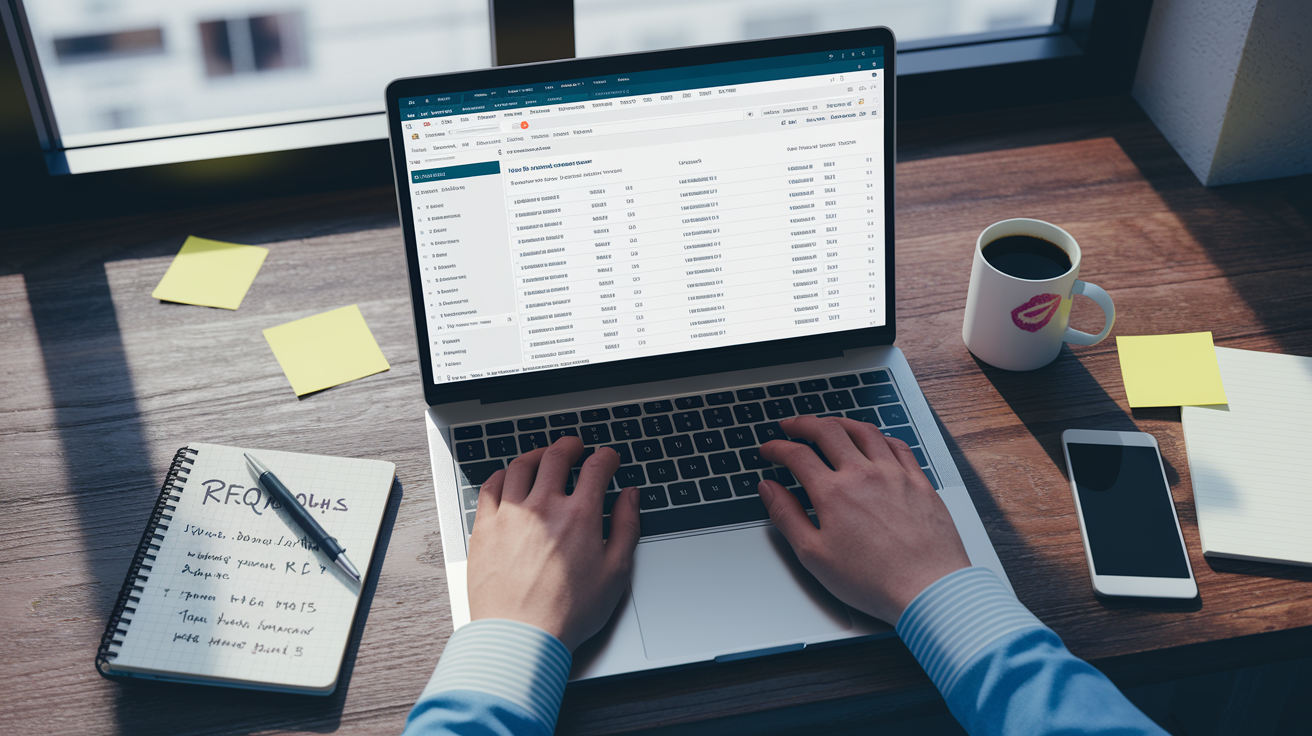
Why Procurement Management Matters Now
Organizations are accelerating digital procurement adoption at unprecedented rates. A McKinsey analysis of digital procurement trends reveals that enterprises investing in automated procurement systems report 15-20% cost reductions within the first year, alongside significant improvements in vendor compliance and payment accuracy.
“Organizations with centralized procurement platforms reduce purchase cycle times by 30-40% and cut procurement labor costs by up to 25%.”
Gartner Magic Quadrant for Enterprise Content Management, 2024
The business case for procurement management has never been stronger. Microsoft 365 adoption has created an installed base of over 400 million users globally, yet most organizations leave procurement processes fragmented across email, spreadsheets, and disconnected systems. SharePoint procurement management capitalizes on existing Microsoft infrastructure while addressing the real pain points that slow down purchasing teams.
On top of that, regulatory scrutiny around vendor risk management and audit compliance continues to intensify across industries. Finance teams face increasing pressure to document approval chains, track vendor credentials, and demonstrate segregation of duties. SharePoint solves this by creating an auditable, centralized procurement environment.
Core Procurement Challenges Without Proper Management
Teams managing procurement without a centralized system face predictable, costly obstacles:
- Vendor data fragmentation: Vendor information, contracts, and compliance documents scatter across email, personal drives, and filing systems, creating audit risk and making it impossible to identify vendor consolidation opportunities.
- Approval bottlenecks: Manual approval workflows route through email chains and require physical signatures, delaying purchases and creating gaps in the approval trail.
- Lack of spend visibility: Without centralized tracking, procurement leaders can’t analyze spending patterns by vendor, category, or department, making cost control and contract renegotiation difficult.
- Inconsistent processes: Different departments follow different procurement rules, leading to policy violations and missed opportunities for volume discounts.
- Compliance and audit exposure: Limited audit trails make it impossible to demonstrate that purchases followed policy and that proper approvals were obtained.
- Vendor management at scale: Onboarding new vendors, tracking credential expiration dates, and managing performance metrics becomes a manual, error-prone task.
Here’s the thing: teams spend more time managing spreadsheets than building vendor relationships. Procurement becomes a cost center perceived as slowing down business operations rather than enabling them.
The Solution: Procurement Workflow Automation via SharePoint
Procurement management with SharePoint addresses each of these challenges by creating a centralized, intelligent procurement hub. Here’s how SharePoint transforms procurement operations:
Centralized vendor database: SharePoint custom lists store all vendor information in one searchable location. Metadata tagging enables filtering by vendor type, geographic region, certifications, and risk rating. Documents, contracts, and performance records attach directly to vendor records, eliminating the need to hunt through email folders.
Automated approval workflows: Power Automate routes purchase orders through approval chains based on spend thresholds, department, and vendor category. Approvers receive notifications in Teams or Outlook, and the system logs every decision, creating an audit trail that satisfies compliance requirements.
Real-time spend visibility: Power BI dashboards connect to SharePoint procurement lists and display spend trends by vendor, department, and category. Procurement leaders identify cost-saving opportunities, spot vendor concentration risks, and benchmark spend across business units.
Standardized processes: Custom list templates and enforced metadata ensure that all procurement requests follow the same structure, reducing errors and enabling consistent policy enforcement across departments.
Complete audit logs: SharePoint automatically tracks document versions, approval decisions, and user actions. When auditors request proof that a purchase followed policy, procurement teams produce a complete, timestamped record in seconds.
Expert Perspective
In our work with clients, we’ve seen that SharePoint procurement management excels as a collaboration and governance hub, not as a standalone ERP system. Its real power emerges when integrated with your existing finance systems: pulling purchase orders into accounting systems, syncing vendor data with ERP platforms, and connecting approval workflows to payment processing. Success requires clear data architecture, user adoption planning, and alignment with existing procurement policies.
Organizations implementing procurement management with SharePoint should prioritize partner expertise in workflow design, data migration, and change management. A strong implementation partner understands procurement best practices, knows how to structure SharePoint metadata for query-ability and reporting, and can guide stakeholders through adoption challenges.
Why Leading Enterprises Choose SharePoint for Procurement
Enterprise procurement teams evaluate SharePoint against legacy procurement software, ERP systems, and spreadsheet-based workflows. The comparison reveals why leading organizations build procurement management with SharePoint:
| Factor | SharePoint Procurement | Legacy Procurement Software | Spreadsheet Process |
|---|---|---|---|
| Setup Speed | Weeks (leverages existing M365) | Months (extensive customization) | Days (but high hidden labor costs) |
| Scalability | Scales with organization growth | License-restricted, per-user cost increases | Breaks at 50+ SKUs or vendors |
| Vendor Collaboration | Teams portal + external sharing policies | Vendor portal only, no chat integration | Email-dependent, no central visibility |
| Real-Time Reporting | Power BI dashboards, live metrics | End-of-month batch reports | Manual aggregation, errors common |
| Audit Compliance | Automated logs, complete approval trails | Transaction logging only | Manual tracking, gaps in documentation |
| Integration Capability | Connects to ERP, Teams, email, BI tools | Limited third-party connectors | No integration, separate systems required |
The financial case for procurement management with SharePoint becomes evident when organizations calculate true cost of ownership. Spreadsheet-based procurement incurs hidden labor costs from manual data entry, approval delays, and audit preparation. Legacy procurement software requires expensive licensing, multi-month implementations, and ongoing vendor support costs.
SharePoint procurement leverages Microsoft 365 licenses most organizations already own. Deployment happens in weeks, not months. Integration with Power Automate and Power BI delivers analytics and workflow automation that legacy systems require add-on modules to provide. For organizations already invested in Microsoft’s ecosystem, procurement management with SharePoint offers the fastest path to centralized, compliant procurement operations.

Industry Applications
Finance and Accounting
Finance teams implement procurement management with SharePoint to enforce three-way matching between purchase orders, receipts, and invoices. Custom workflows route high-value purchases to finance controllers for budget verification before vendors are engaged. Automated compliance reporting documents that purchases followed policy and approvals were obtained, streamlining year-end and regulatory audits.
Healthcare and Life Sciences
Healthcare procurement faces stringent vendor credential requirements and regulatory compliance obligations. SharePoint procurement management tracks vendor certifications, licenses, and insurance expiration dates automatically. When credentials expire, the system flags the vendor record and prevents new purchases until documentation is renewed, reducing compliance violations and audit findings.
Manufacturing and Logistics
Manufacturing procurement ties directly to inventory and supply chain performance. SharePoint procurement management integrates with inventory systems to trigger automated reorder workflows when stock levels drop below thresholds. Supplier performance metrics attach to vendor records, enabling procurement teams to make data-driven sourcing decisions that balance cost with quality and reliability.
Retail and E-Commerce
Retail procurement operates across seasonal demand cycles and multiple product categories. SharePoint procurement management manages promotional contracts, seasonal vendor agreements, and reorder workflows. Centralized vendor performance tracking helps merchandising teams identify which suppliers deliver reliable quality at volume discounts, optimizing margin across product lines.
How to Get Started with SharePoint Procurement Management
Implementing procurement management with SharePoint follows a structured approach that minimizes disruption while building organizational capability:
- Assess your current state: Document existing vendor touchpoints, approval steps, pain points, and compliance requirements. Interview procurement staff, finance teams, and department managers. Outcome: a clear baseline that identifies quick wins and establishes success metrics.
- Design your procurement structure: Plan SharePoint site architecture, custom list schemas, required metadata fields, and approval workflow logic. Map existing vendor data and identify data quality issues. Outcome: a documented blueprint ready for implementation, including sample data structures.
- Configure and test: Build vendor and purchase order lists, create budget approval workflows in Power Automate, and connect Power BI dashboards for reporting. Pilot with one department or cost center to validate workflows and gather feedback. Outcome: a validated solution with user testing completed and lessons documented.
- Migrate and integrate: Transfer existing vendor data from spreadsheets or legacy systems, setting up deduplication and data enrichment processes. Connect Power Automate to email notifications, ERP systems, or other downstream applications. Conduct user training and soft-launch with pilot teams. Outcome: a live procurement system with adoption plan and governance structure in place.
- Monitor and refine: Track adoption metrics, workflow performance, and user feedback. Adjust automation rules based on usage patterns and department feedback. Conduct quarterly business reviews to identify optimization opportunities and align with changing procurement policies. Outcome: continuously improving system that adapts to business needs.
Frequently Asked Questions
Can SharePoint procurement management integrate with our ERP system?
Yes. SharePoint excels as a collaboration and document hub that connects to ERP platforms via Power Automate connectors and APIs. Purchase order data can flow from SharePoint into ERP systems for accounting, and vendor master data can sync bidirectionally. SharePoint isn’t a replacement for ERP accounting functionality but works as the front-end procurement and vendor collaboration platform that feeds data into your financial system.
How do we give vendors secure access to their contracts and purchase orders?
SharePoint external sharing policies enable you to create read-only portals for vendors. You can share specific folders or lists with external vendor contacts, allowing them to view their active purchase orders, contracts, and performance metrics without accessing other vendor information. Sensitivity labels and conditional access policies protect confidential documents and restrict access based on user location or device compliance status.
What happens to our existing vendor data when we migrate to SharePoint procurement management?
Existing vendor data from spreadsheets, legacy databases, or email folders transfers into SharePoint custom lists and document libraries. Pre-migration data cleansing removes duplicates, standardizes naming conventions, and validates required fields. Migration planning accounts for your current data volume and quality; larger organizations benefit from automated data validation and enrichment tools to ensure accuracy post-migration.
Do we need developers to build procurement workflows in Power Automate?
No. Power Automate enables IT managers and power users to build complex workflows visually without coding. Approval workflows, automated notifications, and data synchronization happen through drag-and-drop configuration. Advanced integrations with third-party systems or custom business logic may require developer support, but core procurement workflows are accessible to non-technical staff.
When will we see measurable improvements from procurement management with SharePoint?
Time savings from reduced manual data entry become visible almost immediately as automation replaces spreadsheet maintenance. Approval cycle time improvements emerge within the first month as workflows route decisions through Teams and eliminate email chains. Spend visibility and cost optimization opportunities require analysis across at least one full procurement cycle to identify patterns and inform vendor renegotiations. Success timelines depend on your current baseline, data quality, and organizational readiness for change.
Ready to Transform Your Procurement Operations?
Procurement management with SharePoint eliminates silos, automates approvals, and creates audit-ready transparency without replacing your existing Microsoft investments. Let’s discuss how SharePoint can streamline your vendor management and unlock procurement cost savings specific to your organization.